The Best Disposable Vapes with the Highest Puff Count
Updated: Jul 14
The disposable vape market has completely transformed. There was a time when a few hundred puffs was the standard benchmark for portable hardware. Today, advanced engineering has introduced a new generation of high-capacity devices that deliver thousands of draws using robust, smart designs.
For everyday users and retail owners looking to stock their shelves, migrating to high-capacity options means vastly improved value-per-puff, less frequent replacements, and better internal technology. If you want to know how modern devices manage massive longevity safely and cleanly, this informational guide breaks down the core technology behind the industry's highest puff counts.
What Defines a "Big Puff" High-Capacity Disposable?
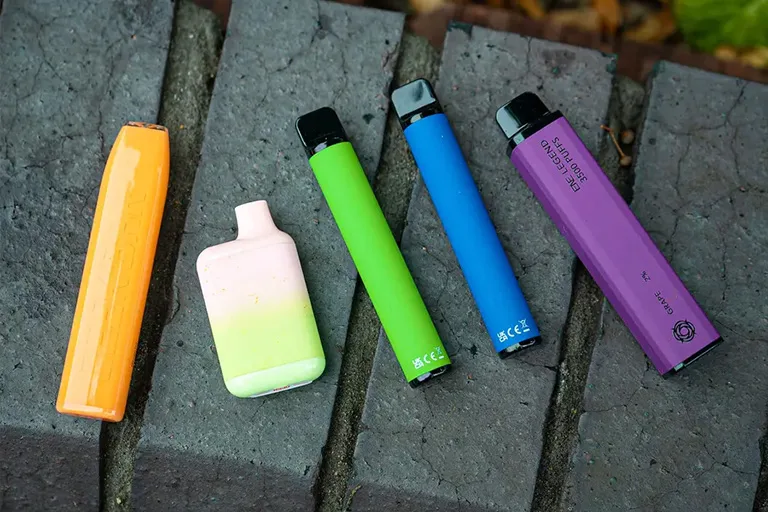
A high puff count disposable is an all-in-one system engineered to hold a significantly larger volume of e-liquid than standard, pocket-sized vapor products. Early disposables relied on a small piece of cotton material soaked in juice. Modern mega-capacity devices instead feature multi-chamber configurations, isolated liquid storage, and robust rechargeable batteries.
To maintain rich, accurate flavor from the first puff to the last, leading engineering brands utilize dual-mesh heating elements. This prevents the internal cotton wick from degrading over time by cycling the heat load across two separate surfaces instead of overworking a single coil.
Top High-Puff Solutions and Technology
Architectures
Navigating the high-volume landscape requires looking closely at how different hardware manufacturers configure their internal systems. Leading brands use distinct structural designs to handle large liquid volumes safely:
Dual-Tank and Split-Chamber Systems
Some of the most efficient high-puff models on the market deploy a split-reservoir system to keep e-liquid fresh. For example, hardware architectures like the UPENDS UP7 manage up to 35,000 puffs by splitting a 20ml total fluid volume into separate main and secondary chambers. This design protects the e-liquid from oxidizing too quickly, allowing users to switch between or cleanly step into fresh reservoirs.
Modular Reusable Battery Frameworks
To address environmental concerns and optimize costs, the market is moving toward modular "hybrid" hardware. Systems like the UPENDS Switch Pro utilize an 800mAh reusable battery base that docks securely into high-volume prefilled flavor modules delivering up to 12,000 puffs per pod. This allows users to keep the expensive electronic components and only replace the e-liquid housing when empty.
Demystifying Puff Counts: Machine Testing vs. Human Use
It is highly beneficial to understand exactly how manufacturers calculate the massive numbers printed on a device's packaging. Standardized puff ratings are measured using automated laboratory equipment that takes short, uniform draws lasting roughly 1 to 1.5 seconds.
In real-world settings, human inhalation behavior varies considerably. If you prefer taking longer, warmer 4-second draws, your device's heating element will vaporize e-liquid at a significantly faster rate.
[ 1.5s Machine Draw ] ➔ Reaches maximum theoretical puff ceiling
[ 4.0s Deep Human Inhale ] ➔ Generates denser vapor; consumes fluid faster
The Informational Rule of Thumb: When evaluating the true lifespan of a disposable vape, look past the commercial puff number and compare the actual e-liquid volume (ml). Total fluid capacity is the most accurate indicator of a device's actual longevity.
Understanding Power Configurations: Eco vs. Boost Modes
High-capacity vaporizers frequently incorporate user-adjustable power settings. Managing these toggles effectively gives you total control over how long your e-liquid supply lasts.
Eco or Soft Mode: Runs the internal heating coil at a conservative, stable wattage (typically around 12W). This preserves battery life, limits overall juice consumption, and lets the hardware stretch to its maximum rated capacity.
Boost or Turbo Mode: Ramps up the electrical output (often climbing to 20W or higher) to engage two mesh coils simultaneously. While this dramatically increases vapor density and thickens the flavor profile, it doubles the fluid consumption rate—effectively cutting your total puff count in half.
Technical Comparison of High-Capacity Layouts
Hardware Configuration | Average Fluid Volume | Power Toggles Available? | Primary Structural Advantage |
Split Dual-Tank | 20 ml to 24 ml | Yes (Eco & Boost settings) | Isolates e-liquid to preserve flavor freshness |
Modular Hybrid Pod | 12 ml to 20 ml | Varies by base model | Reduces electronic waste; reusable battery core |
Single Large Open Reservoir | 13 ml to 15 ml | Commonly integrated | Simplest physical layout; fewer moving components |
How Smart Screens Help Prevent Dry Hits
One of the greatest frustrations with older, low-capacity disposable hardware was the unpredictability of a sudden dead battery or a dry, burnt hit. High-puff models have resolved this vulnerability through the integration of digital display tech.
Modern high-capacity devices are equipped with clear LED or TFT (Thin-Film Transistor) smart screens. These modules communicate directly with the device's chipset to give real-time percentage updates on your remaining battery life and internal e-liquid levels. This constant monitoring ensures you are never caught off guard and know exactly when the hardware is nearing the end of its functional life cycle.
Practical Maintenance Tips for Longevity
Space Out Your Draws: Avoid taking multiple rapid drags back-to-back within seconds. Giving your device 20 seconds between draws allows the internal wick to pull fresh e-liquid over the coil, preventing premature burning.
Avoid High-Amperage Fast Chargers: Always charge your device using a standard 5V/1A wall adapter or an open computer port via its USB-C cable. Heavy-duty phone or laptop charging blocks can overheat the small internal lithium cell, degrading battery efficiency over time.
Keep the Airflow Clear: Pay close attention to the small air intake holes located at the base of your device. Accidentally blocking these holes with your fingers during an inhale creates a harsh vacuum that can flood the internal chamber or cause minor spitting.
Conclusion
The era of short-lived, basic disposable hardware has evolved into a landscape of highly efficient, long-lasting electronic devices. By pairing expansive fluid capacities with dual-mesh coil optimization, clear smart screen readouts, and variable power modes, high-puff hardware delivers a highly reliable user experience. To explore advanced starter kits and highly efficient pod systems designed for long-term reliability, check out the collection at UPENDS.
FAQ
How long will a 30,000-puff disposable vape last in real-world days?
For a typical user who takes roughly 200 to 300 draws a day, a device housing 20ml of e-liquid will comfortably last anywhere from 14 to 21 days. Heavy users utilizing high-wattage boost modes frequently will likely exhaust the juice supply within 10 to 12 days.
Why does my vape smart screen read 0% e-liquid if it still makes vapor?
The fluid metric on your screen is an estimation tracked by your device’s microchip based on total heating time. If you take exceptionally short puffs, there may be a tiny amount of residual liquid left in the cotton wick even after the counter reaches zero. It is best to change devices once the flavor profile thins out noticeably.
Are high puff count disposables compliant with European TPD laws?
Standard single-use disposables are legally restricted to 2ml of fluid in Europe. However, manufacturers achieve TPD compliance by building modular hybrid devices (like closed or open pod systems) where a legal, rechargeable battery base connects to separately packaged fluid containers.
What causes a high-puff vape to taste burnt unexpectedly?
A sudden burnt taste indicates that the cotton wicking material around the heating coil has gone dry. This occurs if you have been vaping continuously at high wattages without letting the wick rest, or if the internal e-liquid reservoir has been fully depleted.
Can I leave my rechargeable disposable plugged in overnight?
It is safest to unplug electronic cigarettes once they reach full charge. While modern chipsets feature overcharge protection, leaving lithium-ion batteries connected to power sources overnight on soft surfaces like bedding poses unnecessary thermal risks.
Comments